


The MOT date has crept up on you again. Nobody loves the thought of a failed test, the repair bill that can come with it, or the hassle of finding another slot. The good news is that many MOT failures come down to small, simple faults you can spot in ten minutes on your driveway.
At TD Auto Repairs in Polegate, we’ve carried out MOTs and repairs for local drivers for over 45 years, and we see the same avoidable issues time and again. Here’s our checklist to help you give your car the best chance of passing first time.
1. Check All Your Lights
Faulty lighting is one of the most common reasons for an MOT failure, and it’s also one of the easiest to fix. Ask a friend or family member to help, or park in front of a reflective surface such as a garage door or shop window, and check:
- Headlights (dipped and main beam)
- Front and rear sidelights
- Brake lights (including the centre high-level light if you have one)
- Indicators and hazard warning lights
- Fog lights
- Number plate lights
A blown bulb is usually a quick and inexpensive replacement. Left unfixed, it can mean an automatic fail. Remember too that cloudy or misaligned headlights can also cause problems.
2. Look at Your Tyres
Your tyres are your only contact with the road, so they get a close look during the test. Check that:
- Tread depth is above the legal minimum of 1.6mm across the central three-quarters of the tyre. A 20p coin is a handy quick check: if you can see the outer band of the coin when it’s in the tread, it’s worth having them looked at.
- There are no cuts, bulges or exposed cords in the sidewalls.
- Tyre pressures are correct for your vehicle (you’ll find the recommended figures in your handbook or on a sticker inside the driver’s door).
If you’re unsure about the condition of your tyres, our team can check them for you. Take a look at our tyre services.
3. Test Your Brakes
You don’t need specialist equipment to notice early warning signs. Listen and feel for:
- Squealing, grinding or scraping noises
- A spongy or sinking brake pedal
- The car pulling to one side when you brake
- Vibration through the pedal or steering wheel
- A handbrake that needs to be pulled up very high
Any of these can point to worn pads, discs or other brake issues. Brakes are a safety-critical part of the test, so it’s best to get problems sorted before your MOT rather than after. You can read more in our blog on the signs your brakes need checking.
4. Inspect Your Wipers and Washers
Worn or split wiper blades that smear the screen can cause a fail, as can an empty washer bottle or jets that don’t spray properly. Top up your screenwash, check the blades for damage, and make sure the washers hit the windscreen where they should.
5. Check the Windscreen
Chips and cracks in your line of sight can cause a failure, particularly in the area directly in front of the driver. Small chips outside this area are often acceptable, but they can spread quickly, so it’s worth getting them looked at early.
6. Make Sure You Can See Clearly
While you’re checking the glass, don’t forget your mirrors. Check that they’re secure, undamaged and give you a proper view behind you.
7. Test the Horn, Seatbelts and Seats
These are easy to overlook. Make sure that:
- The horn works and is loud enough to be heard clearly
- Every seatbelt clicks in securely, retracts properly and shows no fraying or damage
- The driver’s seat adjusts and locks into position correctly
8. Take Note of Dashboard Warning Lights
If your engine management, ABS or airbag warning light is on, it’s likely to be an MOT concern. These lights mean something is wrong and needs investigating, so don’t wait for the test to find out. Our blog on the top signs your vehicle needs diagnostics explains what to look out for.
9. Listen to Your Exhaust
A loud, rattling or blowing exhaust can indicate a leak or damage. Excessive smoke is another red flag and can lead to a fail on emissions. If something doesn’t sound right, our team can take a look at your exhaust.
10. Check Your Fluid Levels
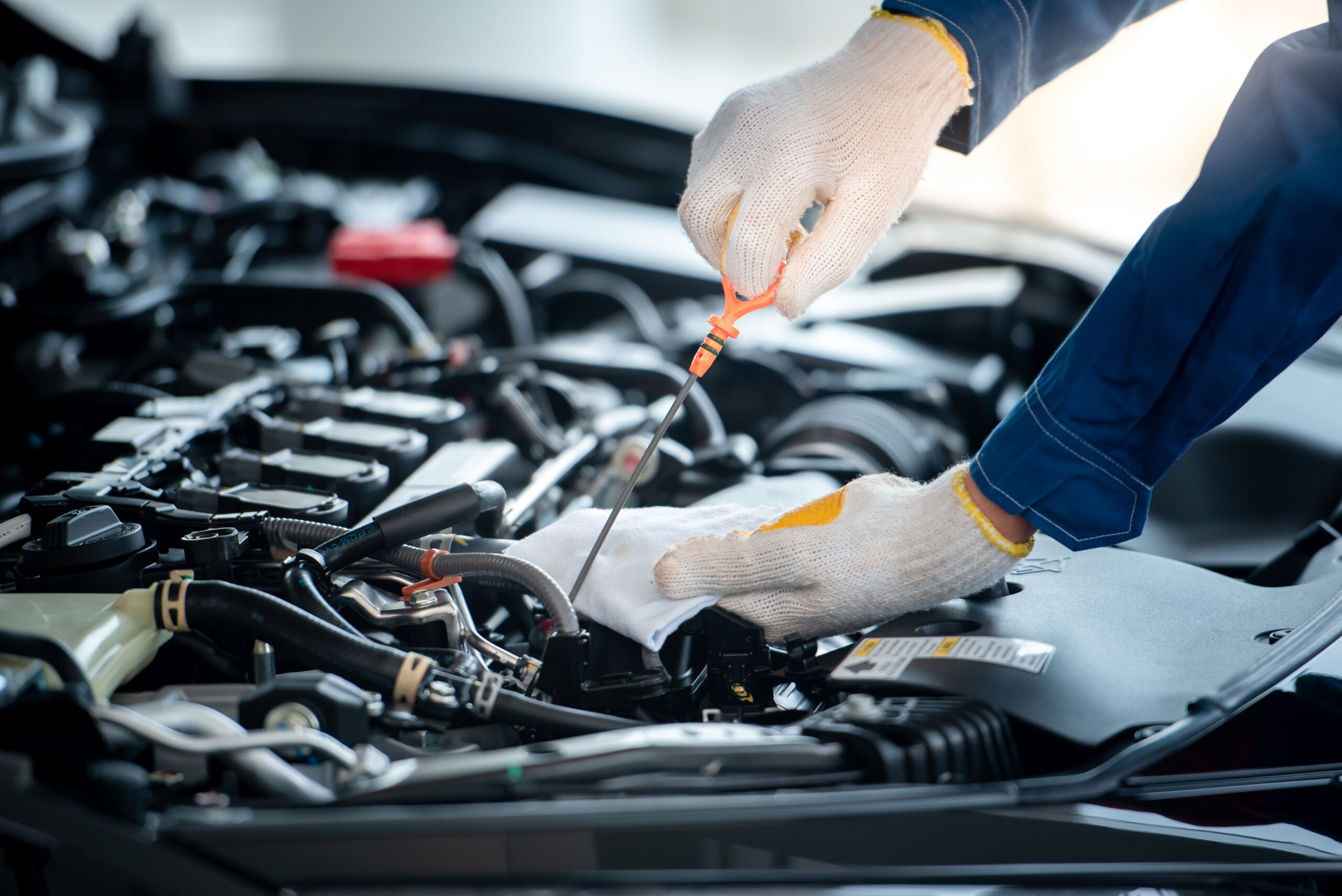
Make sure you’ve got enough engine oil and that your brake fluid is at the correct level. Low fluid levels can be a sign of an underlying problem, so if you find yourself topping up regularly, it’s worth getting it checked.
11. Keep the Basics in Order
A few simple housekeeping points can make a difference too:
- Make sure your number plates are clean, secure and easy to read
- Check that your registration number is displayed correctly
- Clear any heavy clutter from the boot and the inside of the car, so the tester can access everything they need
Don’t Leave It Too Late
You can have your car tested up to a month (minus a day) before your current MOT runs out and still keep the same renewal date. That gives you time to book in, have any repairs carried out and get back on the road without losing any of your existing cover.
It’s important not to let your MOT lapse. Driving without a valid certificate (other than to a pre-booked test) can result in a hefty fine and may invalidate your insurance, so it’s always best to book early.
Book Your MOT with TD Auto Repairs
Whether you want a thorough MOT or advice on getting your car ready, our friendly and experienced team in Polegate is here to help. We’ll talk you through any issues in plain English, with no jargon and no pressure.
Get in touch today:
📞 01323 485122
📍 Unit 9 Chaucer Industrial Est, Dittons Rd, Polegate BN26 6JF
Opening hours: Monday to Friday 8am – 5pm, Saturday 8:30am – 12pm, closed Sunday.
Request a quote or give us a call to book your MOT today.