


Notice a squeal when you slow down at the lights? Or maybe the car pulls slightly to one side when you brake? These aren’t just annoying — they could be early warning signs that your brakes need attention, and putting it off can turn a simple fix into a much bigger (and pricier) repair.
At TD Auto Repairs, we help local drivers catch brake problems early with thorough checks and honest advice. In this guide, we’ll walk through the key signs to watch for, why brake care matters, and how our team can help keep you safe on the road.
Why Brake Care Matters
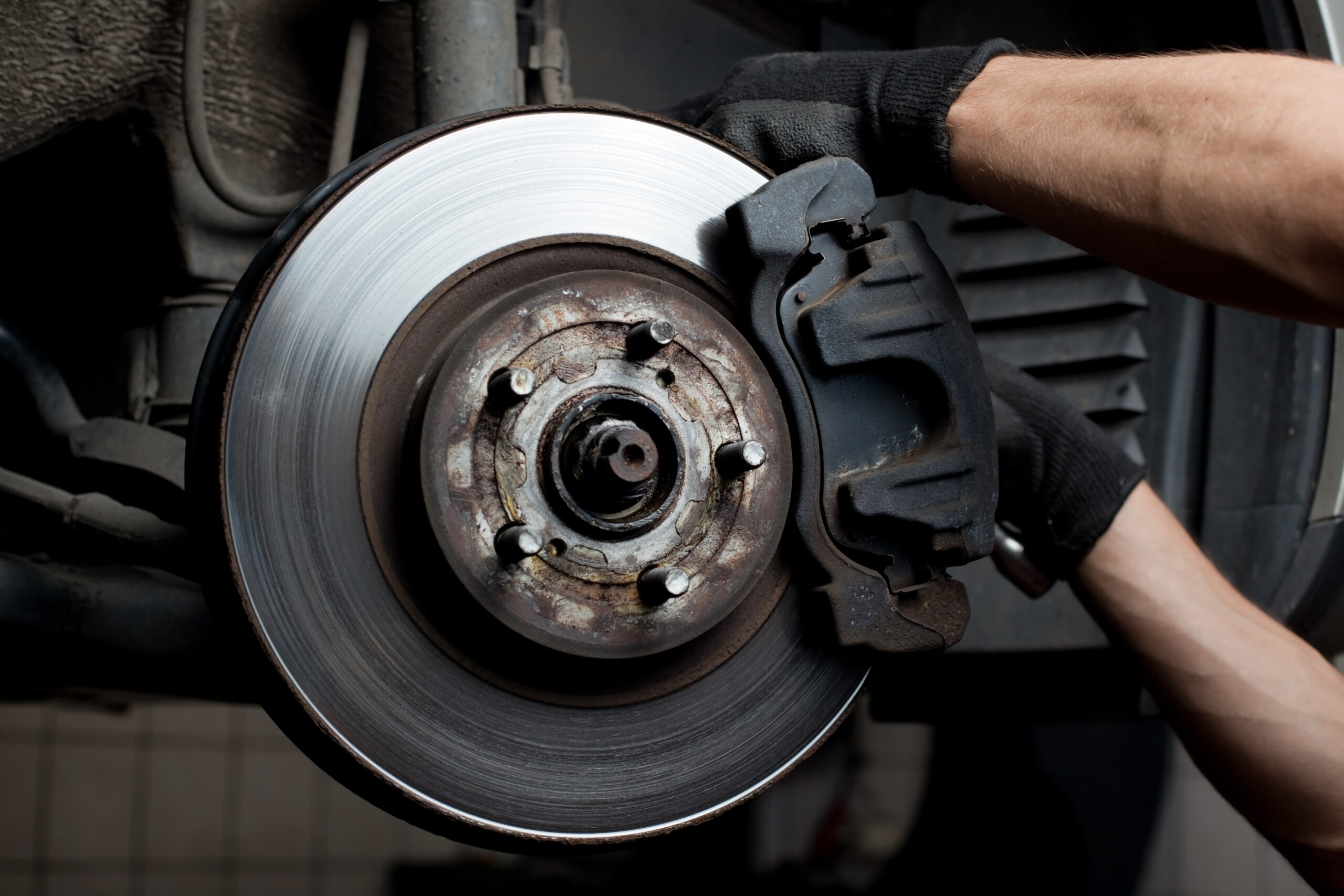
Braking is one of the few parts of your car you rely on every single journey, often dozens of times a day. Stop-start town driving, longer motorway stretches, and wet or icy conditions all add extra strain on brake pads, discs, and fluid — meaning wear can creep up faster than many drivers expect.
Regular brake checks help:
- Catch worn pads or discs before they cause damage to other components
- Keep stopping distances safe, especially in wet or icy weather
- Avoid the higher cost of replacing discs, callipers, or hoses after a small issue is left too long
- Give you peace of mind on every journey, whether it’s the school run or a long drive
As experienced mechanics, we often see brakes that have been quietly wearing down for months before a driver notices anything. Acting on the early signs is always cheaper — and safer — than waiting for a warning light or, worse, a breakdown.
Top Signs Your Brakes Need Checking
1. Squealing or Grinding Noises
A high-pitched squeal often means your brake pads are wearing thin. A grinding noise is more serious — it can mean the pads are worn through and metal is now grinding on metal.
2. Vibration or Pulsing When Braking
If the brake pedal pulses or the steering wheel shudders when you slow down, this often points to warped or uneven brake discs.
3. Car Pulling to One Side
If your car veers left or right under braking, this could mean uneven wear, a stuck calliper, or an issue with the brake lines.
4. Soft or Spongy Brake Pedal
A pedal that feels soft, sinks further than usual, or takes longer to respond can indicate air or a leak in the brake fluid system.
5. Longer Stopping Distances
If it’s taking noticeably longer to come to a stop, don’t wait for it to get worse — this is a clear sign your brakes need looking at.
6. Dashboard Warning Light
A brake warning light on your dash is your car telling you something needs checking, whether that’s low fluid, worn pads, or a sensor fault.
7. Annual Service and MOT Checks
Even without obvious symptoms, brakes should be inspected at every service and MOT — small amounts of wear add up quietly over time.
We know brakes can sound like a daunting thing to get “wrong,” but think of these signs as your car’s way of flagging a problem before it becomes dangerous. If something feels even slightly off underfoot, it’s always worth getting it looked at. We’ll check things over, explain exactly what’s going on in plain English, and let you know what (if anything) needs doing.
How TD Auto Repairs Helps with Brake Checks
With years of experience, our team is fully equipped to inspect, repair, and replace brake components on all makes and models. We offer clear explanations, fast turnarounds, and honest pricing — no unnecessary upsells, just straight advice.
[Explore our full services] or drop by the garage for a quick chat with one of our technicians.
Ready to Book?
Don’t wait for a squeal to turn into a grind. Book in today on for a professional brake check.